
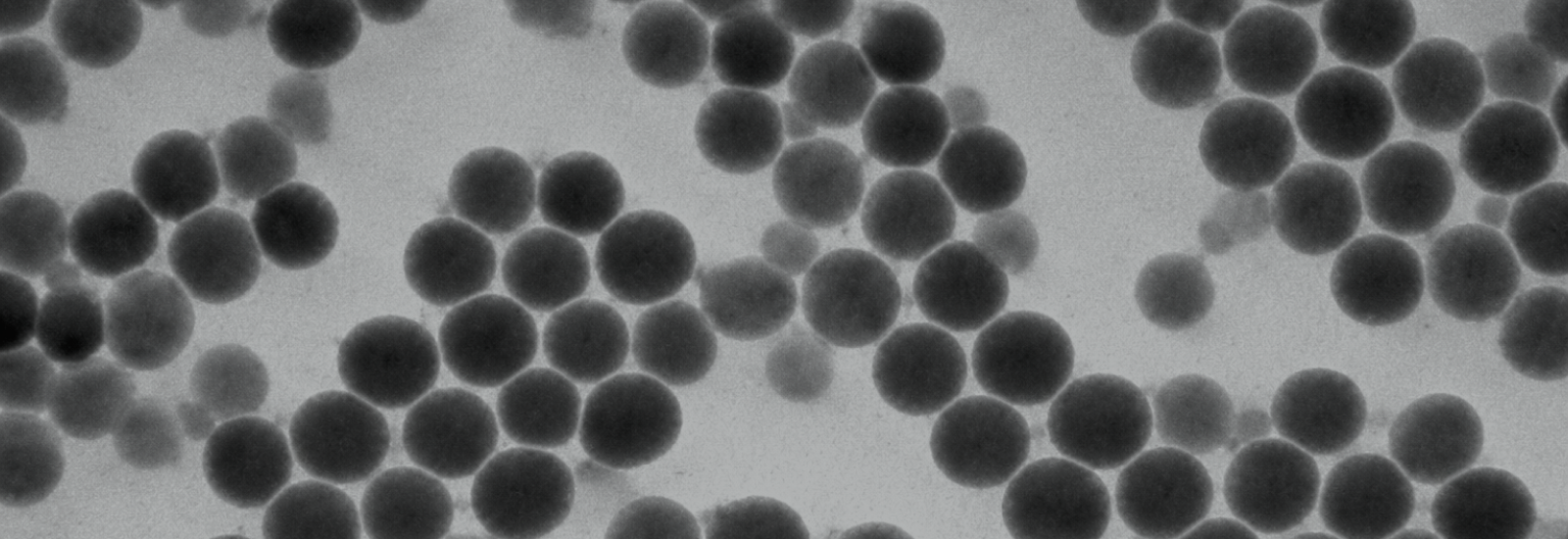
We’re pleased to announce we’ve signed a letter of intent with JR Energy Solution (JRES), a South Korean battery electrode and cell manufacturer, to jointly develop electrodes and battery cells incorporating our SiNTL silicon-anode material, with an initial focus on high-performance applications including defence, UAVs, space and robotics.
JRES operates a specialised battery electrode foundry in Eumseong, South Korea, manufacturing electrodes and cells to customer specifications for international battery developers. The company runs a 79,200 m² facility with current annual production capacity of approximately 500 MWh, and has announced plans for two additional 2 GWh-scale electrode factories as it expands into defence and robotics markets.
Under the LOI, we intend to evaluate SiNTL material samples, develop and optimise electrode formulations, manufacture electrodes and cells, and undertake half-cell and full-cell performance testing across capacity, energy density, cycle life and rate capability. This work will establish the technical base for a definitive manufacturing agreement covering scale-up and production of SiNTL-based battery cells at JRES’s facilities, giving us a pathway to scaled cell production in South Korea without building our own manufacturing capability.
The collaboration adds to our existing pathways into high-value end markets: development and scale-up work continues at George Washington University, alongside our agreement with Energia-2000 for UAV applications and our agreement with Orbit Boy and Space Industries for space and satellite applications. JRES could provide the electrode and cell manufacturing capability to support application-ready batteries across those programs.
Battery supply-chain concentration is an increasingly important consideration for defence, aerospace and other strategically sensitive markets. According to the International Energy Agency, the global lithium-ion battery market exceeded US$150 billion in 2025, with China manufacturing well over 80% of all batteries globally, and South Korea and Japan identified as the only other countries with notable midstream battery industries. The global silicon-anode battery market specifically is forecast to grow from approximately US$0.4 billion in 2025 to US$25.8 billion by 2035.
Dr Peter Yaron, Chief Technology and Operations Officer, commented:
“This agreement with JRES adds an important manufacturing pathway as we progress SiNTL toward real-world applications and commercialisation. We already have pathways into UAV, defence and space markets. Access to versatile electrode and cell manufacturing capability in South Korea gives us another option to support those programs and scale production as demand develops.”
Duke Oh, CEO of JR Energy Solution, commented:
“We’re seeing growing demand from customers seeking high-performance battery solutions and diversified manufacturing supply chains, particularly in defence, robotics and other specialised applications. We look forward to evaluating 1414 Degrees’ SiNTL technology through our electrode and cell development process and exploring the potential for future manufacturing cooperation.”